
There is a particular kind of tiredness that arrives at the end of a long year.
The list running through your head hasn’t stopped for weeks. Work deadlines that all land before the holidays, plans to make, gifts to sort, and the worry about whether the budget will stretch to all of it. You keep going, because that’s what you do.
Then something small tips you over. A comment at dinner, a forgotten errand, a tone of voice. Within minutes it has become an argument about who does more. Later, lying awake, you replay it, along with every other moment this week when your words came across more sharply than you intended.
If this sounds familiar, you’re not alone, and nothing is wrong with you. For many women, the end of the year carries a weight that’s hard to put into words.
In the Chinese zodiac, 2026 has been the Year of the Fire Horse, a year known for intensity and change. For many of us, it has asked a lot. As it draws to a close, it’s a good moment to notice what this year has left you carrying, and what you might be ready to let burn out.
Why Does The End Of The Year Feel So Heavy For Women?
The end of the year often feels heavy because it adds more to the load just as our reserves are at their lowest. By December, most of us have been running on a full year of demands, and the season brings a whole new set of expectations on top.
Much of what women carry at this time of year is invisible. It’s the mental load: remembering, planning and anticipating what everyone else will need. Who has outgrown their winter boots. Which relatives shouldn’t be seated together. What the kids are hoping for this year. None of it appears on a to-do list, and very little of it gets noticed unless it’s forgotten.
There’s emotional work too. Keeping the peace at family gatherings. Holding back what you really feel so the day goes smoothly. Making sure everyone else is all right, even when you aren’t.
Add shorter days, less sleep and the financial pressure of the holidays, and there’s very little room left. When that happens, the feelings we’ve been setting aside all year start to surface: irritability, tears that seem to come from nowhere, resentment towards the people we love most. Then, very often, guilt for feeling any of it.
These feelings are not a sign that you are failing. They are signals that something needs your attention.

What Is The Year Of The Fire Horse?
2026 is the Year of the Horse in the Chinese zodiac. More specifically, it is the Year of the Fire Horse, a pairing that comes round only once every 60 years. The last one was in 1966.
The Horse is associated with energy, speed and independence, and Fire intensifies all of it. Fire Horse years are traditionally seen as fast-moving and intense, a time of big change.
Whether or not you follow the zodiac, plenty of us will recognize that description. This has been a year that moved quickly, ran hot and left little time to recover. Relationships changed. Work changed. The world changed.
What’s Really Underneath The Short Fuse?
When we snap at someone we love, the moment itself is rarely the whole story. Underneath a short fuse there are usually other feelings that have been waiting for room: overwhelm, hurt, disappointment, loneliness, fear, or the deep tiredness of feeling unseen.
In our work, we often talk about your baseline: the level of stress you’re already carrying before anything has gone wrong. When a year runs hot, the baseline rarely gets the chance to come back down. Each new demand lands on top of the last, until something small, like a sink full of dishes, tips you over.
Many of us were taught that anger is something to be ashamed of, especially as women. So we rarely call it by its name. We say we’re stressed, fed up or “just tired.” We push it down, keep going and hope it passes.
At Healing Anger, we see it differently. Anger is a natural human emotion, and it carries useful information. It often rises when a boundary has been crossed, when a need has gone unmet for too long, or when we have been carrying more than we can hold. It isn’t a flaw in your character. It’s a messenger.
The difficulty is that when these feelings have nowhere to go, they don’t simply disappear. They can show up as a clenched jaw when you wake, tension in your shoulders, or an exhaustion that sleep doesn’t touch. We’ve written before about the impact of unexpressed anger on women’s health, and how the body carries what the voice could not say.
None of this means something is wrong with you. More often, it means you have been carrying more than one person should, for longer than anyone should.
When You’re Running On Empty
Some of the hardest conversations of the year happen late in the evening, with a partner or the people closest to you, when everyone is depleted.
When you’re exhausted, it’s much harder to listen well. Small comments land as criticism. A simple request sounds like blame. Before long, the conversation turns into keeping score: who did the shopping, who remembered the gifts, who got a lie-in last weekend. Underneath, both people are often saying the same thing. I’m tired, and I need you to see how much I’m carrying.
A few things can help these conversations go differently:
- Choose your moment. If you’re both running on empty, the conversation may go better tomorrow morning than at 10 p.m.
- Name the feeling, not the fault. “I feel alone with all of this” is much easier to hear than “You never help.”
- Agree to pause before things escalate. A planned pause, which we call a time-out, gives both your nervous systems time to settle. Understanding why arguments escalate, recognizing when a conversation is becoming heated, and knowing when to step back can make a difference in preventing arguments from getting worse.
- Remember you’re on the same team. You’re both tired, and you both want things to feel easier. Starting from there can soften a great deal.
If these conversations keep ending in the same place, that isn’t a failure either. It may simply be a sign that you both need more support than you’ve had.
What Can Fire Teach Us About Letting Go?
We tend to think of fire only as destruction. In nature, it is more complicated than that.
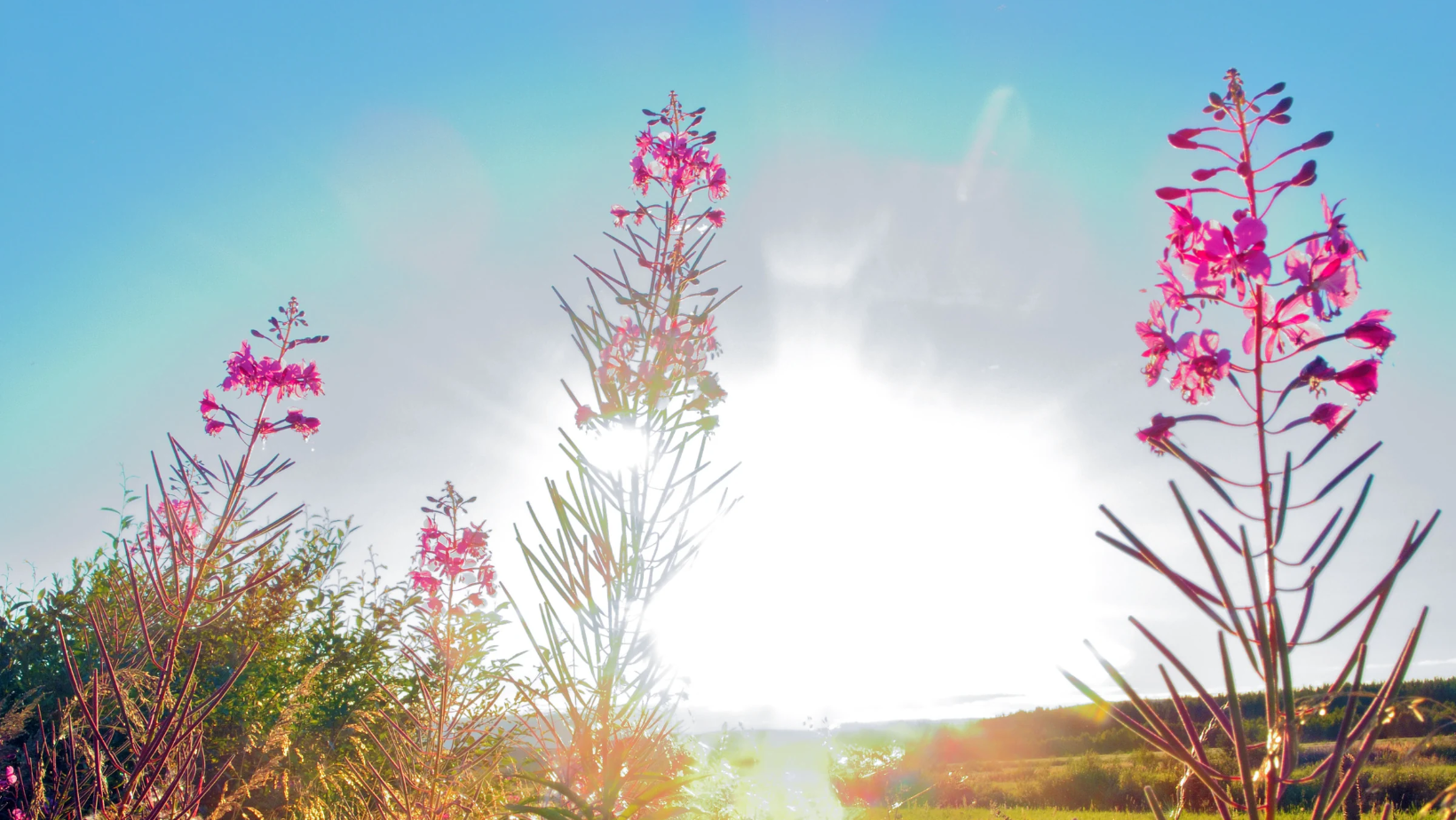
After a wildfire, one of the first plants to appear is fireweed, with its tall spikes of pink and purple flowers. What surprises many people is that the fireweed was often already there. It had been growing under the forest canopy, without enough light to bloom. Once the fire opened up the canopy and released nutrients into the soil, it finally flowers.
Our feelings can work in a similar way. When the frustration, hurt and exhaustion of a hard year are listened to rather than buried, they can clear space. Anger in particular, which so many of us were taught to fear, is often the guardian of our boundaries. It shows us where something has been crossed, or where we have been carrying more than we can hold.
Sometimes what grows in that space was in you all along: a clearer voice, a boundary you finally hold, a need you stop apologizing for.
The difference lies in how the fire is handled. Feelings that are pushed down tend to smoulder, and they often flare up later with the people closest to us. Feelings that are noticed, understood and expressed with care are closer to a cleansing burn. They make room for something new.
Ways To Close Out The Year Of The Fire Horse
1. Check Where Your Baseline Sits. Ask yourself honestly how much room you have left. If small things have been feeling much bigger than they are, that may say more about how full your cup is than about the moment itself.
2. Notice What Your Body Is Telling You. A tight chest, a clenched jaw, shallow breathing or pressure in the belly are often the first signs that frustration is building, long before it reaches words. Catching these cues early gives you more choice about what happens next.
3. Lower One Expectation For The Holidays. Not every tradition needs to happen every year. Choose one thing to simplify, share or skip. Homemade can become shop-bought. Three gatherings can become one. The people who love you are far more likely to remember how you felt than what was on the table.
4. Write Down What You’re Leaving Behind. Take a piece of paper and write what you don’t want to carry into the new year. An old resentment. An expectation you can’t possibly meet. The habit of saying “I’m fine” when you’re not. You might tear it up, or burn it safely in a fireplace or fire-safe bowl. The point isn’t the ritual. It’s naming what you’re ready to release.
5. Choose One Thing You Want To Grow. Like fireweed after a burn, what grows next doesn’t have to be grand. It might be more rest, a boundary you want to keep, or more time with someone who makes you feel understood.
6. Give Yourself Time To Cool. When frustration rises, the body needs time to settle, often longer than we expect. Step outside, take a slow walk or simply leave the room for a while, and come back to the conversation when you feel steadier.
7. Share What You’re Carrying. So many women are expected to manage everything on their own. Often the greatest relief comes from hearing another woman’s story and realizing you’re not the only one.

You Don’t Have To Do This Alone
Our Healing Anger Groups for Women offer a welcoming and supportive space to explore your emotions, understand your reactions, and work through challenges alongside other women who understand. The groups meet online over six weekly sessions and are facilitated by is facilitated by Alejandra Proaño, MA (Psy), MA (Lit), M.Sc, RCC and Brinita Dutt, MA, CCC, RCC. Find out more about our groups.
If you’d prefer one-to-one support, our counsellors also offer individual and couples counselling. Call us for a confidential consultation at 604.723.5134, email info@healinganger.ca, or visit www.healinganger.ca.
The Year of the Fire Horse burned hot. You don’t have to carry it into the next one.
FAQ | Common Questions About End-Of-Year Exhaustion
What is the Year of the Fire Horse?
In the Chinese zodiac, 2026 is the Year of the Fire Horse, a pairing that comes round once every 60 years. It is traditionally associated with intensity, speed and change, and it ends with the Lunar New Year in early February 2027.
Why do I feel so irritable and exhausted at the end of the year?
By December, most of us are carrying a full year of stress, and the holidays add extra demands, expectations and costs. When there’s no room left, small things feel much bigger. Irritability is often a sign of depletion, not a sign that something is wrong with you.
Is it normal to feel resentful towards my partner or family when we’re all exhausted?
Yes, it’s very common. Resentment often builds when one or both people feel that what they carry goes unseen. Naming the feeling underneath, such as loneliness or overwhelm, and choosing a calmer moment to talk can make a real difference.
Is anger always a bad thing?
No. Anger is a natural emotion that often signals a crossed boundary or a need that has gone unmet. What matters is how we notice it, understand it and express it. Learning to work with it safely can protect both your health and your relationships.
What is the Healing Anger Group for Women?
The Healing Anger Group for Women is a welcoming and supportive space where women can explore their emotions, understand their reactions, and work through challenges alongside other women who understand. The group meets online over six weekly sessions and is facilitated by Alejandra Proaño, MA (Psy), MA (Lit), M.Sc, RCC and Brinita Dutt, MA, CCC, RCC. You can find out more about our groups